


Congratulations! Your Offer to Purchase Your Dream Home Has Been Accepted. Now What?
Whether or not you are getting a mortgage for your home or paying cash, it is in your best interest to order a home inspection. This way, you'll be alerted to any potential problems that may need to be addressed prior to closing. It will also give you peace of mind, which is priceless.
When your real estate agent writes your offer to the seller, make sure they have a home inspection contingency in place. This will give you the option of negotiating repairs and costs as well as giving you the opportunity of canceling the contract if need be.
Things to Look for When Choosing a Home Inspector
Your real estate agent should be able to provide you with a list of numerous home inspectors in the area they may have worked with before. You can also find a home inspector by doing an internet search so you're able to read reviews.
A home inspector's job is to identify any reasonably discoverable problems with the home such as a leaky roof, faulty plumbing, structural problems, HVAC systems, appliances, electrical systems, and more.
Questions to Ask a Home Inspector Prior to Hiring Them Could Include:
Do you belong to a professional association?
There are many associations for home inspectors, but some groups confer questionable credentials or certifications in return for nothing more than a fee. Make sure the association your home inspector names is a reputable, nonprofit trade organization.
How experienced are you?
Ask inspectors how long they’ve been working in the field and how many inspections they’ve completed. Also ask for customer referrals. New inspectors may be highly qualified, but they should describe their training and indicate whether they work with a more experienced partner.
How long will the inspection take?
On average, an inspector working alone inspects a typical single-family house in two to three hours; anything less may not be thorough.
How much does a home inspection cost?
Costs range from $300 to $500 but can vary dramatically depending on your region, the size and age of the house, and the scope of services. Be wary of deals that seem too good to be true.
Will I be able to attend the home inspection?
The answer should be yes. A home inspection is a valuable educational opportunity for the buyer and a refusal should raise a red flag.
Systems Typically Inspected During Visit
As thorough as a general home inspection is, the home you’re hoping to buy might also need a more specialized exam, such as from a structural engineer or a septic system expert. That’s because, general home inspectors may not be certified to evaluate structural issues, for instance, or have the specialized equipment necessary to get down and dirty with septic components.
To be sure, general home inspections cover a lot. But the inspector can only inspect what he sees, such as:
- Plumbing - They should thoroughly examine the water supply and drainage systems, water heating equipment, and fuel storage systems. Drainage pumps and sump pumps also fall under this category. Poor water pressure, banging pipes, rust spots, or corrosion can indicate larger problems.
- Electrical - You should be informed of the condition of service entrance wires, service panels, breakers and fuses, and disconnects. Also take note of the number of outlets in each room.
- Kitchen Appliances
- HVAC - The home’s vents, flues, and chimneys should be inspected. The inspector should be able to tell you the water heater’s age, its energy rating, and whether the size is adequate for the house. They should also describe and inspect all the central air and through-wall cooling equipment.
- Doors and Windows
- Ventilation/Attic Insulation - Inspectors should check for adequate insulation and ventilation in the attic and in unfinished areas such as crawl spaces. Insulation should be appropriate for the climate. Without proper ventilation, excess moisture can lead to mold and water damage.
- Structural - The home’s “skeleton” should be able to stand up to weather, gravity, and the earth that surrounds it. Structural components include items such as the foundation and the framing.
- Exterior - The inspector should look at sidewalks, driveways, steps, windows, doors, siding, trim, and surface drainage. They should also examine any attached porches, decks, and balconies.
- Roofing - A good inspector will provide very important information about your roof, including it's age, roof draining systems, buckled shingles, and loose gutters and downspouts. They should also inform you of the condition of any skylights and chimneys as well as the potential for pooling water.
- Fireplaces - They’re charming, but fireplaces can be dangerous if they’re not properly installed. Inspectors should examine the vent and flue, and describe solid fuel-burning appliances.
On the other hand, a basic home inspection doesn’t routinely include a thorough evaluation of:
- Swimming Pools
- Wells
- Septic Systems
- Structural Engineering Work
- The Ground Beneath the Home
- Wood-Burning Fireplaces and Chimneys - wood-burning fireplaces are a good example of what an inspector can and can't do. The home inspector will make sure the dampers are working, check the chimney for obstructions like birds’ nests, and note if they believe there’s reason to pursue a more thorough safety inspection. If you’re further concerned about the safety of a fireplace, you can hire a certified chimney inspector; find one through the Chimney Safety Institute of America.
- Radon - A colorless, odorless gas that can seep into your home from the ground, radon is often referred to as the second most common cause of lung cancer behind smoking. What to look for: Basements or any area with protrusions into the ground offer entry points for radon. The Environmental Protection Agency publishes a map of high-prevalence areas. A radon test can determine if high levels are present.
- Asbestos - A fibrous material once popular as fire-resistant insulation, asbestos was banned in 1985. However, it’s often found in the building materials, floor tiles, roof coverings, and siding of older. If disturbed or damaged, it can enter the air and cause severe illness. What to look for: Homes built prior to 1985 are at risk of having asbestos in their construction materials. Home owners should be careful when remodeling because disturbing insulation and other materials may cause the asbestos to become airborne.
- Lead - This toxic metal used in home products for decades can contribute to several health problems, especially among children. Exposure can occur from deteriorating lead-based paint, pipes, or lead-contaminated dust or soil. What to look for: Homes built prior to 1978 may have lead present. Look for peeling paint and check old pipes. To get a HUD-insured loan, buyers must show a certificate that their older home is lead-safe.
- Other Hazardous Products - Stockpiles of hazardous household items — such as paint solvents, pesticides, fertilizers, or motor oils — can create a dangerous situation if not properly stored. They can easily spark fires and can cause illness or even death if ingested, even in small amounts. What to look for: Check all the corners, crawl spaces, garages, or garden sheds in the home. If these products are found, make sure you ask for their removal and get a disposal certificate prior to closing.
- Groundwater Contamination - When hazardous chemicals are disposed of improperly, they can seep through the soil and enter water supplies. A leaking underground oil tank or septic system can contribute to this. What to look for: Homes near light industrial areas or facilities may be at risk, as are areas once used for industry that are now residential.
Your Options After a Home Inspection is Completed
A home inspection can help identify deficiencies in a home you’re considering purchasing. If the inspection reveals problems are at work or repairs are needed, you may be able to negotiate with the seller to fix those issues. You can also ask for credits toward your closing costs in order to make up for repair costs.
If you have a home inspection contingency in place, and the issues your home inspector finds are deal-breakers, you may be able to back out of the purchase entirely. If you decide to go this route, you should be able to receive the deposit you put toward the purchase back in full.
Here are your options after a home inspection reveals problems
- Ask the seller to make the repairs themselves
- Ask for credits toward your closing costs
- Ask the seller to reduce the sales price to make up for the repairs
- Back out of the transaction (if you have an inspection contingency in place)
- Move forward with the deal
While a home inspection can sometimes be nerve-wracking, you're one step closer to closing on the home of your dreams!
Sources: National Association of Realtors and Houselogic and The Balance
 David and Julie Citron, co-owners of RE/MAX Four Seasons have partnered with Bill Laberge and Danielle Laberge of Grassroots Solar in Dorset, VT to install a 9.32kW solar array on the roof of the RE/MAX Four Seasons office located at 2897 Depot St in Manchester. The system will produce enough electricity to supply 100% of the office's energy needs. In addition, the system will produce excess energy that will be applied towards the Citron's residential bill for their home in Dorset, VT.
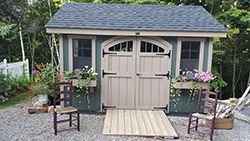
 Now is the time to really show off your outdoor areas like patios, balconies, porches, and decks. Get buyers really excited and let them imagine themselves enjoying spending time outdoors. Stage your outdoor areas with chairs, tables, and seating areas. Add some colorful accents to highlight and intensify the summer spirit.
Footer Social Links